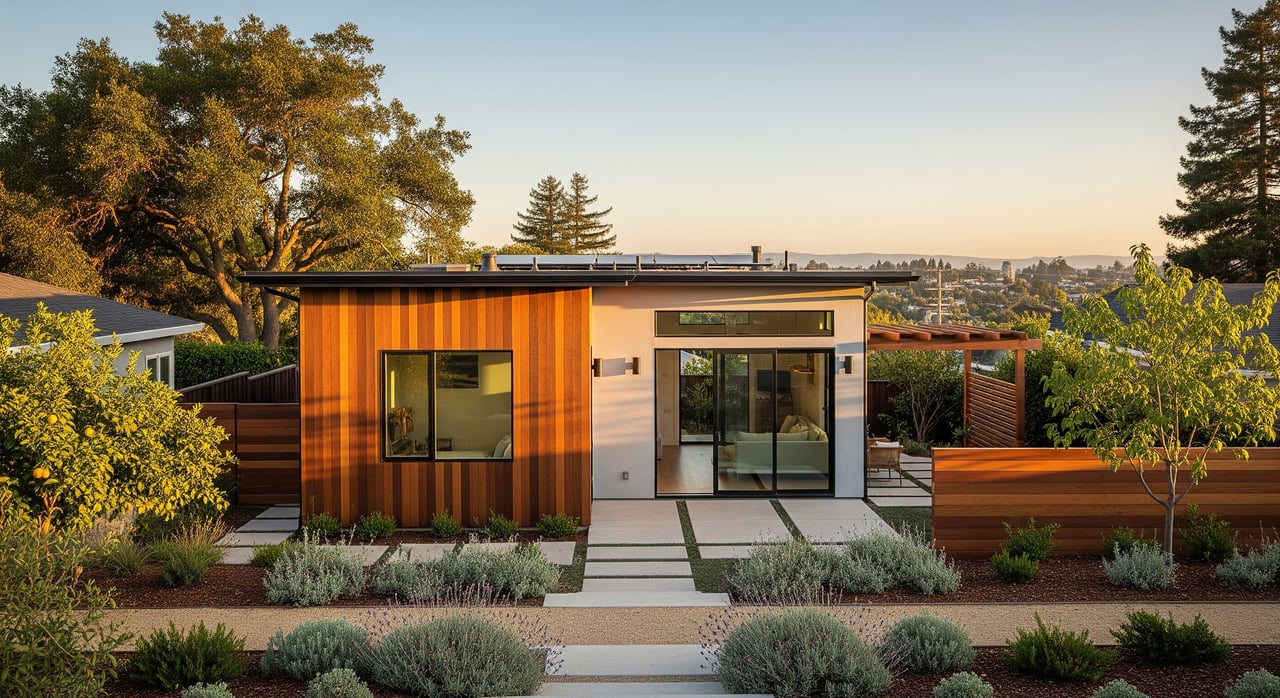
Thinking about adding an accessory dwelling unit to your Sunnyvale property? You are not alone. ADUs can unlock rental income, create space for multigenerational living, and add long-term value if you plan wisely. In this guide, you will learn how California’s state rules pair with Sunnyvale’s local standards, what size and parking rules typically look like, how the permit process works, and which pitfalls to avoid. Let’s dive in.
ADU basics: types that work in Sunnyvale
Before you design anything, get clear on the three main ADU formats and how they fit typical Sunnyvale lots.
- Detached ADU. A separate structure on the same lot. It often faces lot coverage, height, and setback limits and usually needs its own foundation and new utility connections.
- Attached ADU. Built as an addition to your primary home. It can simplify utility tie-ins and sometimes helps with lot coverage.
- Junior ADU (JADU). Created within your existing single-family home. It is smaller and typically carved from a bedroom or suite with its own entrance, per local rules.
As of December 2025, California’s statewide framework guides all three types, and Sunnyvale implements local details within that framework.
State law vs. Sunnyvale rules
California has strengthened ADU laws since 2016 and requires ministerial approvals for most compliant projects. That means your application is reviewed against objective standards without a public hearing in typical cases.
Sunnyvale applies local standards for things like exact size caps, height, setbacks, design details, and where ADUs are allowed. Historic districts or special overlay zones may add review steps. Because ADU law evolves, confirm current numbers with the City of Sunnyvale’s Planning Division or municipal code before you finalize plans.
Size, setbacks, and height
Here is how the big constraints usually break down under the state framework. Confirm Sunnyvale’s exact numbers before you submit.
- Size caps. As of December 2025, a JADU is commonly capped at 500 square feet under statewide guidance. Full ADUs are often allowed up to about 1,200 square feet, though cities may set different maximums within state limits.
- Setbacks. State law limits how restrictive local side and rear setbacks can be for detached ADUs in many cases. A 4 foot side and rear setback is common where fire and access allow. Conversions inside an existing structure typically follow different, more flexible rules.
- Height and lot coverage. Sunnyvale can apply local height and coverage rules. Rooflines, privacy, and solar access may come into play. Check the city’s current standards for your zoning district.
Parking: when it is required and when it is not
California has narrowed when cities can require off-street parking for ADUs. Common statewide exemptions include:
- You convert an existing garage, carport, or covered parking to an ADU.
- The ADU is within one half mile of qualifying public transit.
- It is physically infeasible to add parking due to site constraints.
Replacement parking is limited in many situations. Sunnyvale’s current policy and any local transit maps will determine whether your project is exempt. Verify the requirement early so you do not over-design for parking that may not be needed.
Utilities and services
Every ADU needs safe, code-compliant utility service. Plan for:
- New or upgraded connections for water, sewer, gas, and electrical.
- Possible capacity checks or sewer lateral work in established neighborhoods.
- Fees tied to new meters or upsized service, which can vary by unit size.
Garage conversions often streamline utility work compared with new detached construction. Get clarity from the city and utility providers during early design so your budget reflects real numbers.
The permitting path
Expect a clear, step-by-step process that moves from concept to occupancy.
Pre-application guidance. Start with a planning counter conversation or a checklist review. You will learn your lot’s zoning, any overlay rules, size and height caps, and which forms you need.
Ministerial planning review. Most ADUs are reviewed without hearings if they meet objective standards. Special districts or variance requests can trigger added steps.
Building permits. You will submit construction drawings for building, structural, mechanical, electrical, and plumbing review. Corrections are common, so budget time for revisions.
Inspections and final occupancy. City inspections occur during construction and wrap with a final sign-off before move-in.
Timelines vary with workload and plan completeness. As of December 2025, state timelines often target 60 to 90 days for ministerial review, but plan for more time if corrections or backlogs arise.
Fees and what to budget
State rules limit how impact and utility fees are applied to ADUs, and fees are often proportional to unit size, with smaller units and JADUs paying less. Sunnyvale’s exact schedule covers planning, plan check, building, and utility connection or capacity fees. Ask for an itemized estimate during pre-application so you can compare design options and avoid surprises.
Costs and smart sizing
Bay Area construction costs are higher than national averages. Your price will depend on size, finishes, foundation work, and site access.
- Garage conversions commonly cost less than new detached builds.
- Larger footprints and high-end finishes raise costs quickly.
- Utility upgrades and site work can move the budget more than owners expect.
Get two to three local contractor bids and include design, engineering, city fees, utilities, and a healthy contingency in your model.
Renting and living options
ADUs serve many purposes. You can:
- Rent long term, subject to city rules and state landlord-tenant laws.
- Host multigenerational living while keeping privacy for everyone.
- Create flexible space that can shift uses over time.
Owner-occupancy rules have shifted in California. Confirm Sunnyvale’s current stance before you plan for a setup that assumes you can live off-site. If you are considering short-term rental, verify Sunnyvale’s rules and any registration requirements.
Taxes, HOAs, and long-term value
Adding an ADU is an improvement that can affect your property’s assessed value. The Santa Clara County Assessor can explain how reassessment works for accessory improvements. If your home is part of an HOA, read your covenants and restrictions closely. HOA rules can limit what you can build even if the city allows ADUs.
From a market perspective, a well designed, permitted ADU can enhance flexibility and appeal. It may attract buyers who value rental income potential or space for extended family. The exact value impact depends on quality, layout, and neighborhood comparables.
Financing your ADU
Common ways to finance include home equity lines or loans, cash-out refinance, construction loans, and ADU-focused lenders. As of 2025, some county or state programs may offer loans or incentives, especially when affordability goals are met. Review program criteria carefully and confirm availability before you rely on them in your budget.
Common pitfalls to avoid
- Using outdated summaries. ADU law changes often, so confirm current Sunnyvale standards before you finalize design.
- Underestimating utilities. Sewer laterals, panel upgrades, and trenching can add cost and time.
- Assuming parking requirements. Many projects are exempt. Get clarity first.
- Overlooking overlays. Historic or special zones can add reviews or adjust standards.
- Submitting incomplete plans. Missing details cause avoidable delays during plan check.
Quick homeowner checklist
Use this list to move from idea to action with fewer surprises.
- Gather property documents: parcel map, any recorded covenants, and existing plans if you have them.
- Confirm Sunnyvale’s current ADU standards and required forms.
- Map your site and measure distance to transit if you expect a parking exemption.
- Request a pre-application conversation with planning staff.
- Engage an architect or designer for a feasibility sketch that reflects code constraints.
- Get two to three contractor bids that include utility scope and site work.
- Ask the permit center for an itemized estimate of planning, building, and utility fees.
- Check with the Santa Clara County Assessor about potential reassessment.
- If you plan to rent, confirm local rules for long-term and short-term rentals.
How this fits your long-term plan
An ADU can be a smart move if it aligns with your financial goals, household needs, and timeline. In Sunnyvale’s high-demand market, well built ADUs often deliver flexibility and resilience. If you are considering a future sale, early planning can help you choose finishes and layouts that resonate with likely buyers.
If you want a strategic second opinion grounded in local data and buyer expectations, reach out. You will get a clear view of how an ADU could affect resale positioning and marketability, plus guidance on timing your project if a sale is on the horizon. When you are ready to talk next steps, connect with Elizabeth Thompson for a focused consultation.
FAQs
What is the difference between an ADU and a JADU in Sunnyvale?
- An ADU is a self-contained unit that can be detached or attached, while a JADU is created within the existing single-family home and, as of December 2025, is commonly capped at 500 square feet under statewide guidance.
Do I need to provide new off-street parking for my Sunnyvale ADU?
- Often no; projects within a half mile of qualifying transit, conversions of existing garages or carports, and sites where parking is physically infeasible are commonly exempt under state rules.
How long does ADU permitting take in Sunnyvale?
- State timelines often target 60 to 90 days for ministerial review as of December 2025, but plan for more time due to plan corrections and agency workload.
What fees should I expect for an ADU in Sunnyvale?
- Expect planning, plan check, building, and utility connection or capacity fees that scale with unit size; ask the permit center for an itemized estimate early.
Can I rent my Sunnyvale ADU long term?
- Generally yes, subject to city rules and California landlord-tenant regulations; verify owner-occupancy requirements and any short-term rental restrictions before you list.
Will building an ADU change my property taxes in Santa Clara County?
- Accessory improvements can affect assessed value; contact the Santa Clara County Assessor to understand how reassessment may apply to your project.