
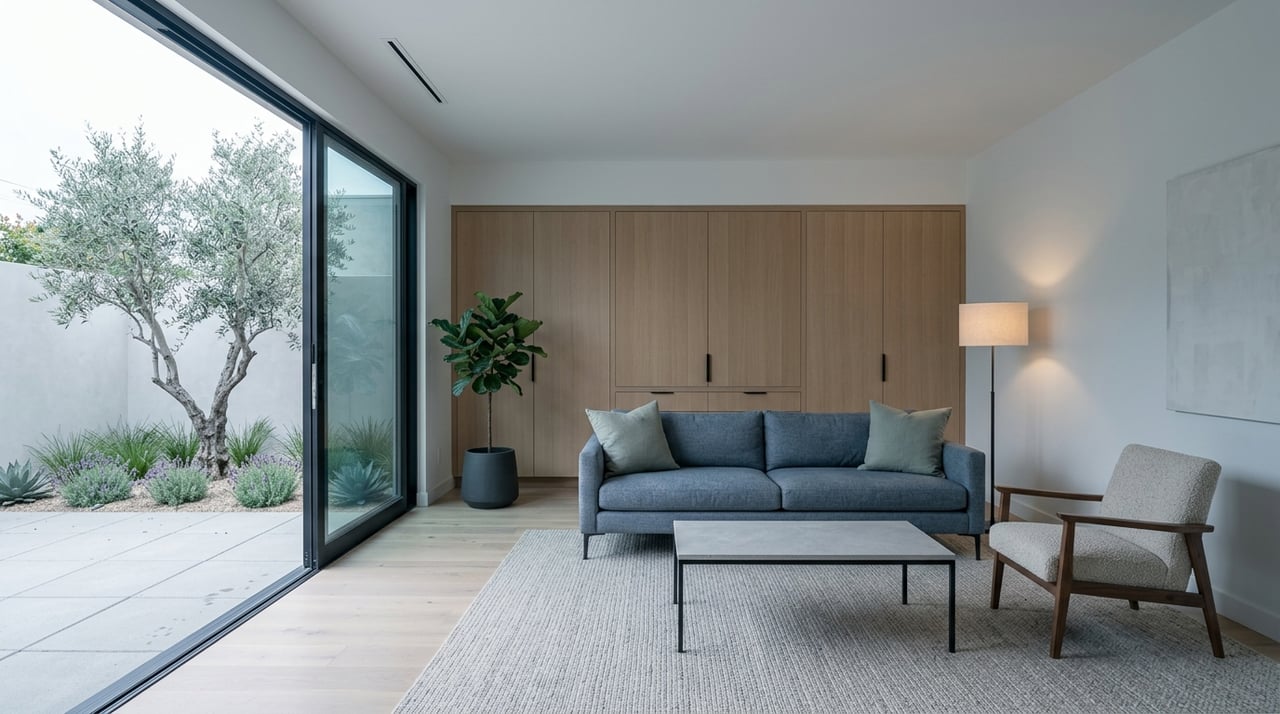
Selling in Silicon Valley is not just about putting a sign in the yard and waiting for offers. In a market where many homes sell near or above asking, buyers still react strongly to how a home looks, feels, and photographs online. If you want to create real buzz in San Jose, Santa Clara, or across the Oakland-Hayward-Berkeley area, smart staging can help your home stand out from the start. Let’s dive in.
Why staging matters here
In fast-moving Bay Area markets, presentation can shape first impressions before a buyer ever steps through the door. The 2025 NAR staging survey found that 83% of buyers’ agents said staging makes it easier for buyers to picture a property as their future home.
That matters even more in competitive local conditions. In March 2026, Santa Clara County was described as a sellers’ market, with homes selling at about 102% of asking price and multiple offers common in core tech hubs. Alameda County was also active, with a 103% sale-to-list ratio and a median 27 days on market.
City-level numbers tell a similar story. SCCAOR’s April 2026 stats show San Jose at 105% of list price, Santa Clara at 108%, Mountain View at 107%, and Palo Alto at 107%, with average days on market between 11 and 19 days. When buyers are moving quickly, polished presentation helps your home feel worth acting on now.
Think of staging as marketing
Staging is not just decorating. It is part of a full marketing system that helps buyers understand the home, connect with it emotionally, and remember it after they scroll past dozens of listings.
That approach fits Elizabeth Thompson’s marketing-first philosophy. The goal is to prepare the home well, present it clearly, and support the launch with strong visuals that match what buyers expect in Silicon Valley and the East Bay.
The strongest sequence, based on the research, looks like this:
- Fix obvious flaws
- Declutter and simplify
- Stage the highest-impact rooms first
- Refresh curb appeal
- Capture the home with professional photos and video
In other words, staging works best when it supports the full listing strategy, not as a last-minute add-on.
Stage the rooms that matter most
If you are deciding where to spend time and money, start with the spaces buyers notice first. According to NAR, buyers’ agents ranked the living room as the most important room to stage at 37%, followed by the primary bedroom at 34% and the kitchen at 23%.
That ranking is useful because it helps you focus. You do not need to treat every room equally to make a strong impression.
Living room first
The living room often anchors the visual story of the home. It is where buyers assess scale, natural light, layout, and how easily the home supports daily life.
Use clean lines, balanced furniture placement, and minimal decor. The room should feel open and easy to understand in photos and in person.
Primary bedroom next
The primary bedroom should feel calm, spacious, and uncluttered. Buyers do not need dramatic styling here. They need a room that reads as restful and well-proportioned.
Simple bedding, clear surfaces, and a thoughtful furniture layout often do more than extra accessories. If the room feels tight or overfilled, remove pieces rather than adding more.
Kitchen always counts
Kitchens carry a lot of emotional and practical weight. Even if you are not remodeling, small cosmetic improvements and careful styling can help the space show better.
Clear the counters, reduce visual noise, and make sure lighting feels consistent. The research also supports prioritizing cosmetic updates like paint, fixtures, and landscaping over major renovations, which rarely return full cost.
Skip over-improving lower-priority spaces
Not every room needs the same investment. NAR found that guest bedrooms were staged far less often, at 22%, which suggests they are usually a lower-priority spend.
That does not mean these rooms should be ignored. It means they should be clean, functional, and easy to interpret without becoming the main focus of your budget.
If a guest room, bonus space, or office plays a major role in the home’s layout, then it may deserve extra attention. Otherwise, put your strongest effort into the rooms that do the most work in photos and showings.
Fix flaws before you style
One of the most practical takeaways from the research is that many sellers’ agents do not fully stage every home. Instead, they focus first on decluttering and correcting property faults.
That is a smart approach in this region. Buyers in Silicon Valley and the East Bay tend to notice deferred maintenance, awkward layouts, and visible wear quickly, especially when comparing homes online.
Before styling begins, tackle the basics:
- Patch and paint obvious wall damage
- Replace dated or mismatched light fixtures if needed
- Repair anything visibly broken
- Remove bulky or excess furniture
- Clear closets, counters, and entry areas
- Deep clean floors, windows, and bathrooms
These steps help staging work harder because the home feels cared for before the furnishings and photos do their job.
Make the home photo-ready
Today, your listing needs to perform online before it performs in person. In the NAR survey, 73% of buyers’ agents said photos were much more or more important, 48% said that about video, and 43% said it about virtual tours.
That means camera clarity matters. Buyers often decide whether to visit a home based on how easy it is to understand from the first few images.
Use simple camera-friendly choices
The most effective staging often looks understated in person and excellent on screen. Strong listing photos usually come from clean, real spaces rather than overly styled ones.
Use this simple checklist before photography:
- Open blinds for natural light
- Keep lighting consistent room to room
- Hide cords and pet items
- Clear kitchen and bathroom counters
- Use furniture that fits the room scale
- Define each room’s purpose clearly
These small decisions can make a home look more spacious, more functional, and easier to remember.
Treat virtual staging as a supplement
Virtual staging can help in limited situations, but it should not replace real preparation. NAR’s survey suggests buyers’ agents place more importance on physical staging than virtual staging.
For most sellers, the strongest plan is a well-prepared home paired with high-quality still photography and video. That combination gives buyers a clearer and more trustworthy first impression.
Match the staging plan to the market
A Silicon Valley listing in Santa Clara or San Jose may compete in a different price tier than a home in Oakland, Hayward, or Berkeley. The research shows wide variation in listing prices across Alameda County, with Oakland at $689,000, Hayward at $833,444, and Berkeley at $1.195 million.
That is why staging should match neighborhood expectations and the home’s price point. A measured, targeted plan often works better than trying to make every listing look identical.
In higher-price segments, buyers may expect a more complete presentation. In more moderate price tiers, thoughtful decluttering, selective staging, and cosmetic improvements may be the better use of budget.
Use your budget where it shows
The research points to a disciplined approach. NAR reported a median spend of $1,500 on professional staging services, compared with $500 when sellers’ agents staged the home themselves.
The larger lesson is not that you must hit a certain number. It is that staging should be intentional and tied to visible impact.
A smart budget usually goes here first:
- Decluttering and removal
- Paint touch-ups
- Light fixture updates
- Living room staging
- Primary bedroom staging
- Kitchen styling
- Front yard cleanup
- Professional photography and video
This kind of spending tends to support presentation without creating the disruption of a major renovation.
Refresh curb appeal the Bay Area way
In Silicon Valley and the East Bay, curb appeal should feel maintained, attractive, and water-wise. Local guidance from Santa Clara Valley Water, the City of Santa Clara, EBMUD, and Hayward all points toward low-water planting, mulch, drip irrigation, and practical landscape design.
That means the best exterior staging is usually not the lushest or most complicated yard. It is the one that looks healthy, tidy, and easy to maintain.
Focus on simple outdoor upgrades
You do not need a total landscape overhaul to improve first impressions. A clean, intentional exterior often does more than a costly redesign.
Consider these updates:
- Fresh mulch in planting beds
- Trimmed shrubs and trees
- Healthy-looking low-water plants
- A tidy walkway and porch
- Repaired irrigation issues
- Minimal, neat container plants near the entry
This kind of curb appeal feels current in the Bay Area and aligns with local water-conscious guidance.
Buzz comes from clarity and confidence
Homes that create buzz usually share one trait: they feel easy to say yes to. Buyers can quickly understand the layout, imagine daily life there, and feel confident that the home has been thoughtfully prepared.
That is especially important in markets where timing matters. When homes in cities like San Jose, Santa Clara, Mountain View, and Palo Alto are often moving in 11 to 19 days on average, your listing launch has to do real work right away.
Staging helps create that momentum, but it works best when paired with the right pricing, polished marketing, and a clear plan from day one. That is where a hands-on, presentation-first strategy can make the biggest difference.
If you are preparing to sell and want a staging plan that fits your home, price point, and micro-market, Elizabeth Thompson can help you build a launch strategy designed to create attention from the moment your listing goes live.
FAQs
What rooms should sellers stage first in Silicon Valley homes?
- Start with the living room, primary bedroom, and kitchen, since NAR data shows those are the rooms buyers’ agents consider most important.
Does home staging help listings in San Jose and Santa Clara?
- Yes. In competitive markets where homes often sell at or above list price, staging can help buyers picture the home clearly and support stronger early interest.
Should sellers fully stage every room in an Oakland or Berkeley home?
- Not always. Research suggests a focused approach often works best, with the strongest effort going to the main living spaces and lower-priority rooms kept clean and functional.
Is virtual staging enough for a Bay Area listing?
- Usually no. Physical preparation, real furnishings, and strong photography tend to carry more weight with buyers than virtual staging alone.
What curb appeal works best for homes in Silicon Valley and the East Bay?
- A tidy, water-wise exterior often fits the region best, with healthy low-water plants, mulch, clean pathways, and a maintained entry.
How much should sellers budget for home staging?
- NAR reported a median spend of $1,500 for professional staging services, but the right budget depends on the home, its condition, and where visible improvements will have the most impact.


