Wondering how to make your Sunnyvale property work harder for you without giving up flexibility? An accessory dwelling unit, or ADU, can do a lot more than add square footage. If you are thinking about comfort, long-term planning, or future resale appeal, understanding the most practical ways to use an ADU can help you make a smarter decision. Let’s dive in.
Why ADUs make sense in Sunnyvale
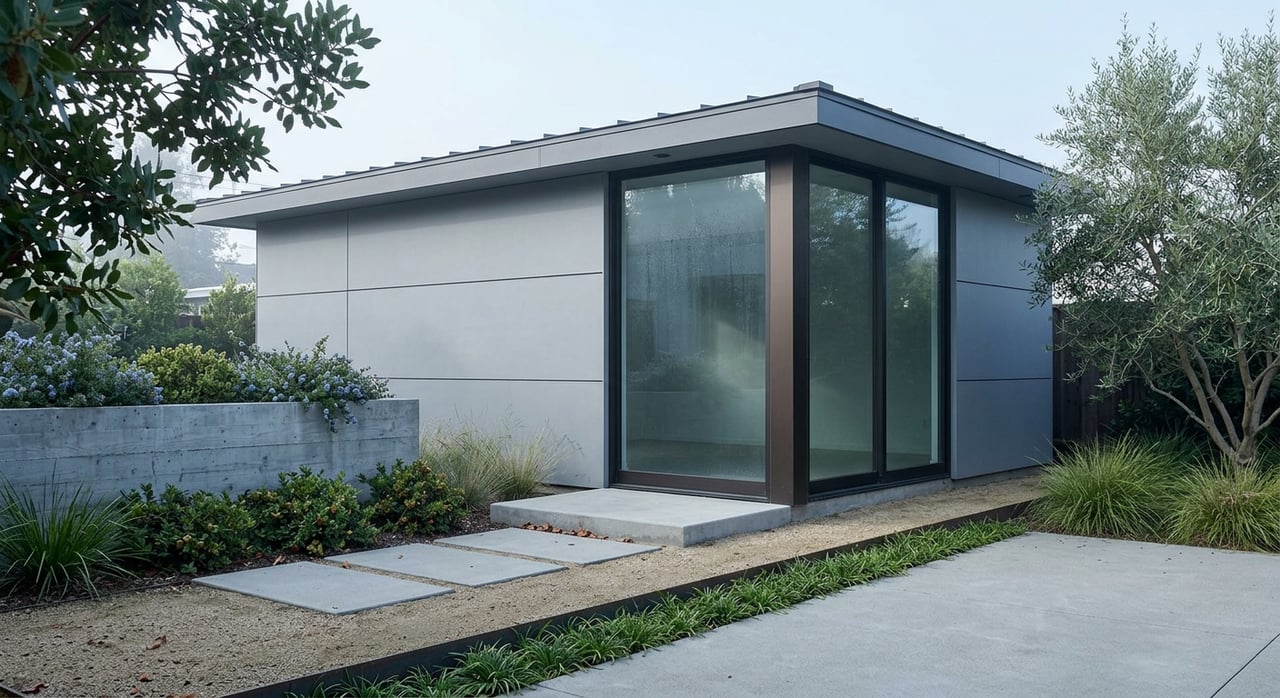
In Sunnyvale, ADUs are designed as small homes with independent living facilities. That means they can function as more than a spare room or bonus area. Depending on your lot and layout, your ADU might be attached, detached, converted from existing space, or created as a junior ADU, also called a JADU.
That flexibility is a big reason ADUs are so appealing. Sunnyvale’s guidance covers options on both single-family and multifamily lots, and JADUs can be up to 500 square feet. In other words, the same property can support very different living needs over time.
Just as important, local resources make the process easier to understand. Sunnyvale provides homeowners with an ADU brochure, plan gallery, calculator, and toolkit, while Santa Clara County offers a step-by-step guidebook. For many homeowners, that turns an ADU from a vague idea into a realistic planning opportunity.
Use an ADU for long-term guests
One of the most natural ways to use an ADU is as a guest suite for extended stays. Because an ADU includes independent living facilities, it offers more privacy and comfort than a standard guest bedroom. That can be especially helpful when parents, adult children, or other long-term guests need their own space.
This setup can make visits smoother for everyone. Your guests have a kitchen, bathroom, and separate entrance, while your main home keeps its normal rhythm. If you regularly host family from out of town, this can be a practical upgrade that supports both connection and privacy.
Create a home office or studio
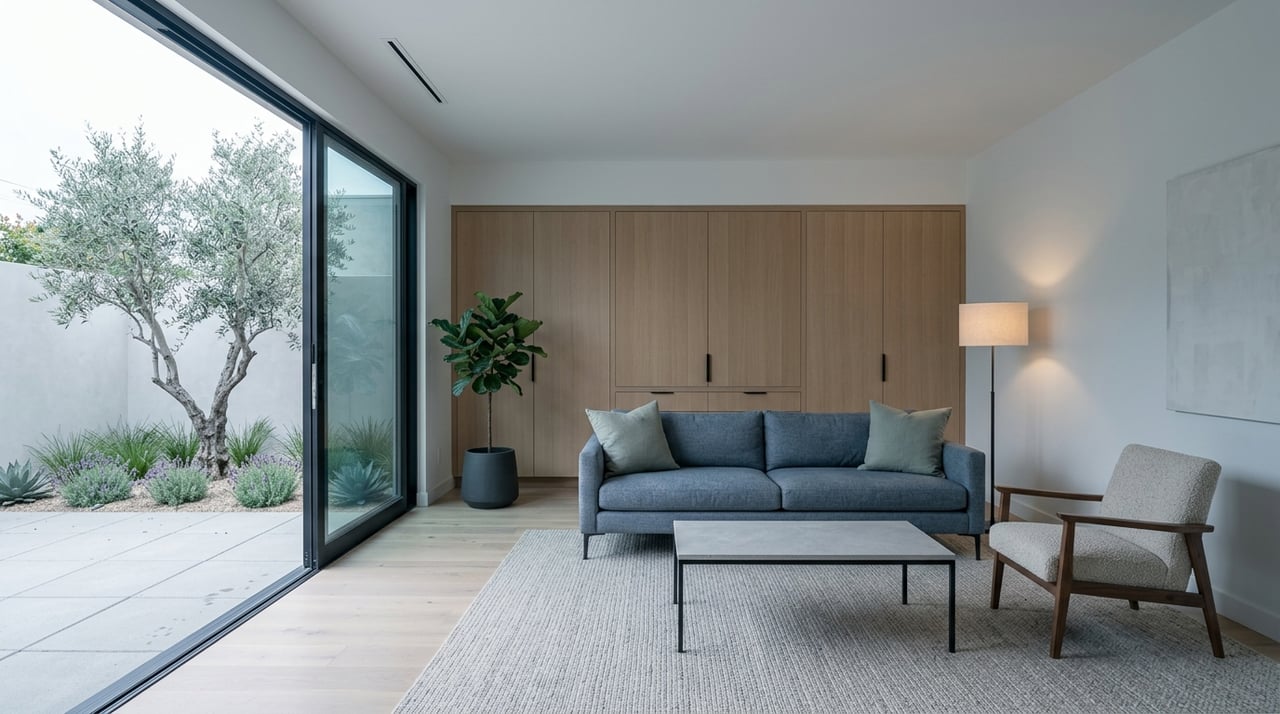
If you work from home or want a dedicated creative space, an ADU can be a strong fit. Santa Clara County’s guidebook includes a real-world example of an attached 400-square-foot ADU used as a work-from-home space and hobby room. It is easy to see why this use works so well in Sunnyvale, where many homeowners value focused workspace close to home.
When planning this kind of ADU, layout matters. The county guidebook encourages owners to think about storage, laundry, privacy, natural light, architectural style, and utility access. Those details can shape whether your ADU feels like an afterthought or a polished, functional space you use every day.
Features that support work use
If you are considering an office or studio setup, it helps to think beyond the desk. Useful planning points include:
- Natural light for comfort and productivity
- Storage for files, tools, or hobby materials
- Privacy from the main house and yard activity
- Easy access to power and utilities
- A layout that supports focused work or creative projects
A well-planned ADU can create separation between home life and work life without requiring a commute.
Support multigenerational living
ADUs are also a practical option for multigenerational living. Santa Clara County materials specifically describe ADUs as a way to keep generations closer together while still preserving independence. That can work well for aging parents, adult children, relatives, caregivers, or loved ones who need nearby housing.
This kind of arrangement often gives you the best of both worlds. You stay close enough for shared meals, childcare, and day-to-day support, but each household still has its own space. For many Sunnyvale homeowners, that long-term flexibility is one of the strongest reasons to consider an ADU.
Add a long-term rental unit
If you want your property to help offset costs, an ADU may be used as rental housing. Sunnyvale’s brochure notes that ADUs can supplement income, and Santa Clara County’s guidebook treats rental income as a core benefit. For homeowners who want more financial flexibility, that can make an ADU especially appealing.
The key is to think in long-term terms. Local guidance supports a conservative approach here, since short-term rentals are generally not permitted according to the county guidebook. An ADU is best viewed as a long-term housing asset rather than a vacation-rental strategy.
Rental planning points to remember
Before building around an income goal, keep these facts in mind:
- ADUs and JADUs cannot be sold separately from the primary residence
- Rental income is taxable
- The added value of the ADU may affect property taxes
- Resale value can be affected by the presence and quality of the ADU
An ADU can still be a smart financial move, but it works best when paired with a realistic plan.
Plan for aging in place
An ADU can also support aging in place. Santa Clara County highlights this as one of the major benefits of ADU ownership, along with long-term flexibility and financial security. If you want your property to adapt with your life, this can be one of the most meaningful ways to use the space.
For example, an ADU may serve as housing for a caregiver or a downsizing parent today. Later, it could become the space you move into yourself while keeping the main home available for family or rental use. That kind of future-proofing can make your property more useful over the long run.
Match the ADU type to your goals
Not every ADU format fits every use. In Sunnyvale, detached, attached, conversion, and JADU options each offer different tradeoffs. The best choice usually depends on how much separation, privacy, and disruption you want rather than size alone.
Here is a simple way to think about it:
| ADU Type | Best Fit | Key Consideration |
|---|---|---|
| Detached ADU | Guest suite, rental, private office | Offers the most separation from the main home |
| Attached ADU | Family housing, office, flexible living | Keeps the unit close to the main house |
| Conversion ADU | Lower-disruption projects, existing-space use | Reuses space such as a garage or other interior area |
| JADU | Semi-integrated living, compact use | Located within the main house and can be up to 500 square feet |
A JADU can be especially useful if you want a smaller, more integrated setup. Since it is inside the main house and may share a bathroom in some cases, it is usually better suited to a connected living arrangement than a fully separate guest house.
Think carefully about privacy and placement
Placement can shape how successful your ADU feels once it is built. Sunnyvale requires a separate exterior entrance for all ADUs, and city guidance also includes window privacy requirements for second-floor ADUs. In some non-streamlined cases, there are also wall-plane and distance rules to consider.
Santa Clara County also encourages homeowners to think through privacy, natural light, and utility access for both the primary residence and surrounding lots. That means the best ADU location is not just about where it fits. It is about how the space will live day to day for you and anyone using it.
Questions to ask before finalizing a layout
Before moving forward, consider:
- Do you want the ADU to feel private or connected?
- How will people enter and move around the property?
- Will window placement protect privacy?
- Is there enough natural light for the intended use?
- How easily can utilities serve the new space?
Answering these questions early can help you avoid a design that looks good on paper but feels awkward in real life.
Keep resale and finances in view
Even creative ADU plans should be grounded in the numbers. Santa Clara County notes that an ADU can affect property taxes and resale value. The main house is not reassessed, but taxes can rise based on the added value of the ADU.
That matters whether you plan to stay for years or eventually sell. Buyers often appreciate flexibility, but they will also look at layout, privacy, condition, and usability. A well-designed ADU can strengthen a property’s appeal, while a poorly planned one may raise questions.
Because rules and guidance can change over time, it is wise to confirm the latest requirements with Sunnyvale and review financial implications with tax, legal, or lending professionals before committing to a specific use.
If you are thinking about how an ADU could fit into your property strategy, resale plans, or long-term living goals in Sunnyvale, Elizabeth Thompson can help you evaluate how the feature may influence buyer appeal, marketing, and overall property positioning.
FAQs
What is an ADU on a Sunnyvale property?
- An ADU in Sunnyvale is a small home with independent living facilities that can be attached, detached, converted from existing space, or created as a JADU.
How can you use an ADU in Sunnyvale?
- Common uses include long-term guest housing, a home office or studio, multigenerational living, a caregiver suite, long-term rental housing, or future aging-in-place planning.
What is the difference between an ADU and a JADU in Sunnyvale?
- A JADU is located within the main house, can be up to 500 square feet, and may share a bathroom in some cases, while other ADUs can be attached, detached, or created through a conversion.
Can you rent out an ADU in Sunnyvale?
- Yes, Sunnyvale materials state that ADUs can be used as rental housing, but Santa Clara County guidance says short-term rentals are generally not permitted.
Can an ADU be sold separately from the main house in Sunnyvale?
- No, Sunnyvale’s brochure states that ADUs and JADUs cannot be sold separately from the primary residence.
What should you consider before building an ADU in Sunnyvale?
- You should think about the intended use, privacy, layout, natural light, utility access, property tax impact, resale implications, and current city and county rules before moving forward.