
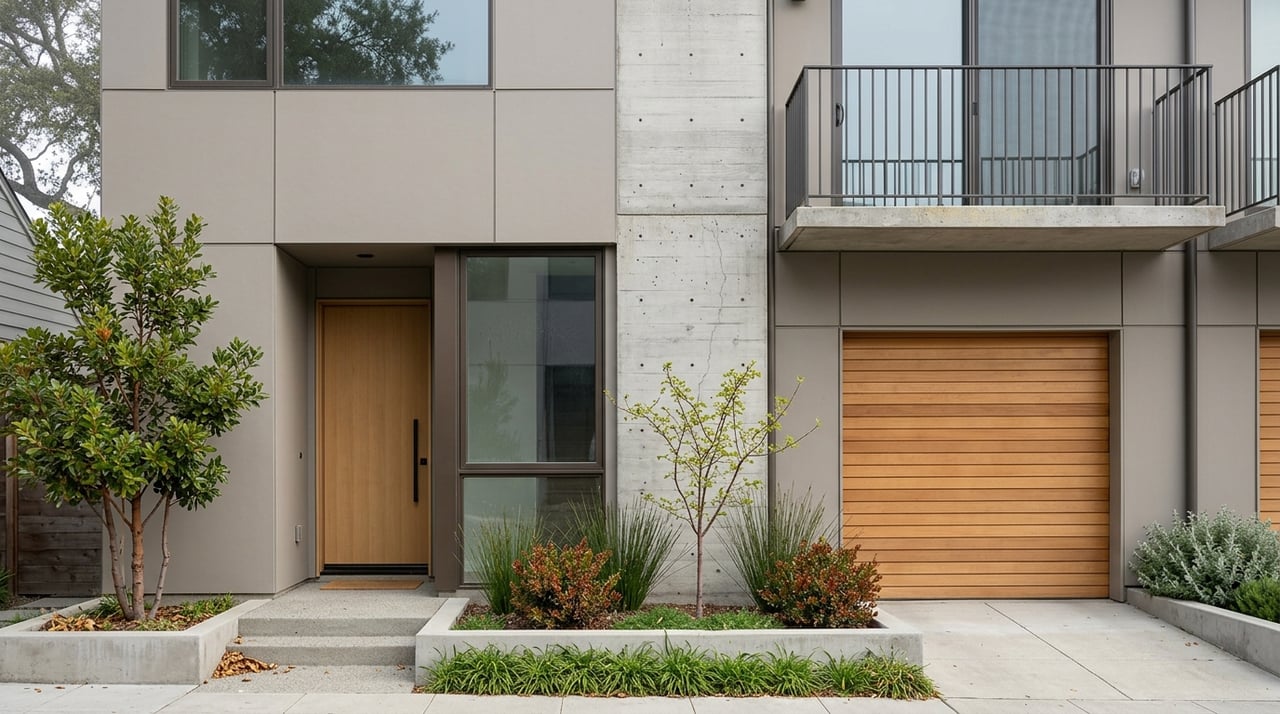
Trying to choose between a townhome and a single-family home in Mountain View? You are not alone. In a market where detached homes and attached homes can sit more than a million dollars apart, the right choice often comes down to how you want to live, not just what you can buy. This guide will help you compare cost, maintenance, privacy, flexibility, and location patterns in Mountain View so you can decide with more confidence. Let’s dive in.
Why this choice matters in Mountain View
Mountain View is a fast-moving, high-priced market. Redfin reports a March 2026 median sale price of $2.0M, with about 3 offers per home and roughly 9 days on market. That means your housing choice affects both your budget and how quickly you may need to act.
The price gap between detached and attached housing is especially important here. City reporting shows a 2024 median sales price of $2.68M for single-family homes versus $1.2765M for condo and townhome properties. Current listing pages also show Mountain View townhouses at a median listing price of $1.49M across 34 active listings, which reinforces that townhomes are often the lower-entry-price option, even though they are still a premium purchase.
Townhome vs single-family home basics
Before you compare the lifestyle, it helps to understand one key point. A townhome is an architectural style, not a legal ownership type. In California, a townhome can exist within a common-interest development, which means the details of ownership and maintenance depend on the legal structure, not just how the property looks from the street.
Mountain View’s Mayfield Precise Plan describes a typical townhouse as a two- to three-story attached dwelling with its own ground-floor front door, a private yard area, and parking that may include attached garages, detached garages, parking courts, or a mix of these. By contrast, a single-family home usually gives you a detached structure on its own lot with more direct control over the home and land.
Price difference: the biggest deciding factor
For many buyers, the first question is simple: what gives you the best fit for your budget? In Mountain View, single-family homes typically cost far more than townhomes. That large spread can open one path and close another, especially if you want to stay within a certain monthly payment or preserve cash for reserves, improvements, or future plans.
If your priority is getting into Mountain View with a lower purchase price than a detached home, a townhome often makes sense. If you are willing and able to pay more for privacy, land, and long-term flexibility, a single-family home may better match your goals.
Maintenance and control
Townhomes usually mean shared responsibilities
Maintenance is often the biggest day-to-day tradeoff. In a common-interest development, HOA membership is automatic when you buy. California Civil Code 4775 says the association generally repairs, replaces, and maintains the common area unless the governing documents say otherwise, while the owner is responsible for the separate interest.
In plain terms, many townhome buyers trade some exterior upkeep for HOA oversight. That can be a real benefit if you want less hands-on maintenance. It also means you need to be comfortable with assessments, rules, and the fact that certain decisions may be made by the association rather than by you alone.
Single-family homes offer more direct autonomy
Single-family homes usually give you more control over how the property is used and maintained. If you want to choose your own landscaping, set your own exterior maintenance timeline, or make improvements without an HOA board involved, a detached home often feels simpler.
Mountain View also notes that compliant remodels or additions for single-family homes do not go through discretionary design review, though they still must meet setbacks, height limits, and minimum yard requirements. That does not mean every project is easy, but it does suggest a more direct path for many standard improvements.
Outdoor space and everyday living
Townhomes often offer smaller private outdoor areas
Outdoor space is another major lifestyle difference. Townhomes often include a smaller private yard or patio, and in some cases what feels private may actually be exclusive-use common area rather than true private property. That distinction matters because it can affect maintenance responsibility, allowed changes, and how much control you really have.
If your goal is a lower-upkeep outdoor setup, that may be a plus. A smaller patio or yard can be easier to manage, especially if you travel often or simply do not want weekend yard work.
Single-family homes usually provide more room
Single-family homes generally offer more space for landscaping, storage, and future outdoor improvements. If you want room to garden, add structures where permitted, or create a more private outdoor environment, a detached property is usually the stronger fit.
That extra land can also support future flexibility. In Mountain View, single-family lots may allow ADUs and JADUs, which can make a detached home more adaptable over time.
Parking and practical convenience
Parking can shape your daily experience more than you expect. Mountain View requires at least one covered and one uncovered parking space for a single-family home. The city also allows driveway or pad parking and says street parking on public streets is permitted.
Townhome parking can vary more from one community to the next. Depending on the development, parking may include attached garages, detached garages, parking courts, or assigned spaces. If parking ease matters to you, review the exact setup closely, including guest parking rules and any limits set by the HOA.
Long-term flexibility and future options
Single-family homes usually win on flexibility
If you are thinking beyond the next few years, single-family homes often offer the broadest range of options in Mountain View. The city allows ADUs and JADUs on single-family lots. Its SB9 guidance also says eligible R1 properties can potentially reach up to four units through a two-unit development plus lot split rules.
That does not mean every property qualifies for every option. Still, for buyers thinking about multigenerational living, rental income, or future reconfiguration, a detached home usually offers more paths forward than a townhome.
Townhomes fit buyers who value simplicity
Townhomes tend to work best when your priorities are convenience, lower upkeep, and a lower entry price relative to detached housing. If you want a home that lets you stay in Mountain View without taking on a larger lot, heavier maintenance, or the higher price of a single-family property, a townhome can be a smart match.
For many busy professionals, that tradeoff feels worthwhile. You may give up land and expansion potential, but gain a more manageable day-to-day ownership experience.
Where you are more likely to find each option
In Mountain View, housing type is tied closely to planning patterns. Most single-family homes are in R1 zoning, though some are in R2 and R3. The city says townhouse guidelines apply in R2 or R3 zoning districts.
The city’s higher-density housing is concentrated in precise-plan and corridor areas such as Downtown, El Camino Real, East Whisman, North Bayshore, and San Antonio. These areas are more likely to include townhomes because they are planned around mixed uses, transit access, and higher residential density. That means your choice may also reflect whether you prefer a walkable, transit-oriented setting or a lower-density detached-home neighborhood.
A simple way to decide
If you feel stuck, try using this quick framework.
A townhome may be the better fit if you:
- Want a lower entry price than a single-family home in Mountain View
- Prefer less exterior maintenance
- Are comfortable with HOA rules and shared governance
- Like the idea of living in a more walkable or transit-oriented area
- Do not need a large yard or major expansion potential
A single-family home may be the better fit if you:
- Want more privacy and separation from neighbors
- Value direct control over the property
- Need more yard space or more flexible parking options
- Want stronger long-term adaptability for ADUs, JADUs, or future changes
- Are comfortable with the higher purchase price and more maintenance responsibility
What to review before you buy a townhome
If you lean toward a townhome, do not stop at the floor plan and finishes. The legal structure matters. The California DRE recommends confirming whether the property is a condo or planned development, because that affects maintenance obligations and ownership rights.
You should also review:
- CC&Rs and board rules
- Reserve funding
- Parking allocations
- Guest parking rules
- Whether a patio or yard is exclusive-use common area or true private property
These details can shape your monthly costs, your control over the property, and how the home feels to live in over time.
The Mountain View bottom line
In Mountain View, the decision between a townhome and a single-family home is rarely just about square footage. It is about how you balance price, control, convenience, outdoor space, and future flexibility in one of Silicon Valley’s most competitive markets.
For some buyers, a townhome is the practical path into Mountain View and the right fit for a busy lifestyle. For others, a single-family home is worth the premium because it offers more privacy, more autonomy, and more ways to adapt the property over time. The right answer depends on how you live now and what you want your next few years to look like.
If you want help weighing the tradeoffs in specific Mountain View neighborhoods or comparing current townhome and single-family options, Elizabeth Thompson can help you narrow the field and make a confident move.
FAQs
What is the main price difference between townhomes and single-family homes in Mountain View?
- In Mountain View, the price gap is wide. City reporting shows 2024 median sales prices of $2.68M for single-family homes versus $1.2765M for condo and townhome properties.
What does owning a townhome in Mountain View usually mean for maintenance?
- In many common-interest developments, the HOA generally maintains common areas while you maintain your separate interest, subject to the governing documents. That can reduce some exterior upkeep but adds HOA rules, dues, and possible assessments.
What kind of outdoor space do Mountain View townhomes usually have?
- Mountain View planning documents describe typical townhouses as attached dwellings with a private yard area, but the amount of private space is usually smaller than what you would get with a single-family home.
What makes a single-family home more flexible in Mountain View?
- Single-family lots in Mountain View may allow ADUs and JADUs, and eligible R1 properties may have additional options under SB9. That can create more room for future changes than a townhome usually offers.
Where are townhomes more commonly found in Mountain View?
- Townhomes are more likely to be found in R2 or R3 areas and in precise-plan or corridor locations such as Downtown, El Camino Real, East Whisman, North Bayshore, and San Antonio.
What should you check before buying a townhome in Mountain View?
- You should confirm the legal ownership structure, review CC&Rs and reserve funding, check parking and guest parking rules, and verify whether patios or yards are exclusive-use common area or true private property.


